YM Cinema· May 14, 2026
24 ARRI ALEXA 35 Live Cameras Take Over Eurovision’s Camera System
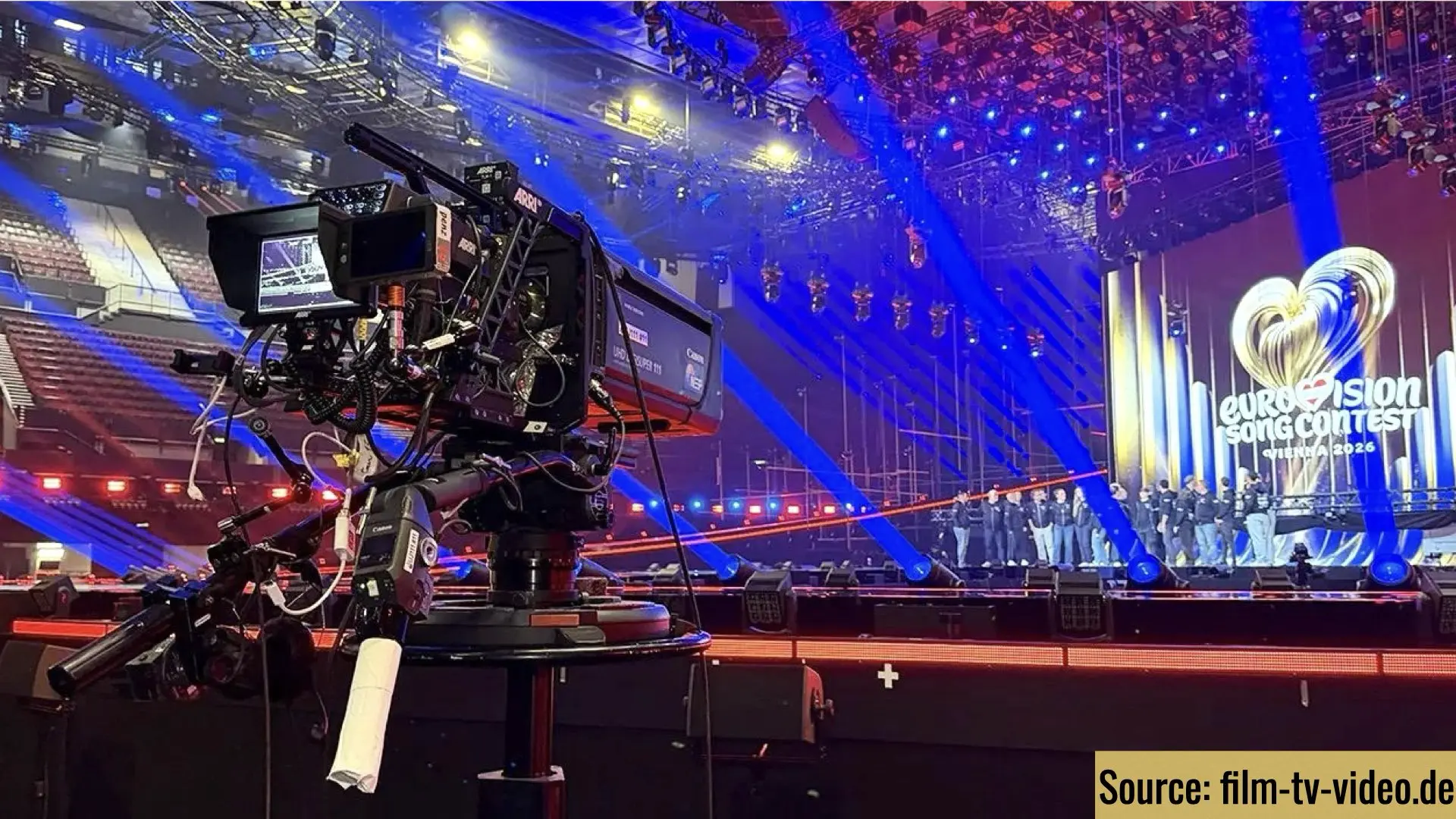
From the original
Eurovision 2026 is shaping up to be one of the most important demonstrations yet of ARRI’s push into cinematic live broadcasting. According to the production team, the show is being captured with 24 cameras in total, divided between box lens cameras, RF cameras, and special…
Read the full article at YM CinemaBOLD’s take
When Cinema Meets Live: What Eurovision's ALEXA 35 Setup Teaches Newcomers
Eurovision's decision to deploy 24 ARRI ALEXA 35 cameras across a live broadcast is more than a technical flex—it's a case study in how cinema-grade workflow is reshaping live television. For film students and early-career professionals, this setup offers a window into real-world problem-solving at scale.
Why This Matters
Traditionally, live broadcast and cinema have occupied separate lanes. Broadcast prioritizes speed and redundancy; cinema prioritizes image quality and intentionality. Eurovision's approach collapses that boundary. Using cinema cameras for live production means the crew had to solve problems that don't exist in controlled narrative shoots: real-time color correction across 24 simultaneous feeds, instant failover protocols, and the ability to capture performance moments that won't be re-shot.
For newcomers, the lesson is this: the tools and disciplines you learn on a short film or commercial—consistent sensor behavior, color science, lens selection—scale directly into live environments. The difference is velocity and pressure.
The Setup Reveals Workflow Philosophy
The mention of "box lens cameras" and "RF cameras" (radio-frequency remote focus systems) points to a hybrid approach. Box lenses on some cameras provide consistent wide shots; RF systems allow operators to adjust focus instantly across the venue without moving. This isn't arbitrary—it's insurance. In live broadcast, you don't get a second take.
On smaller productions, you might see this same principle: the steadiest camera gets the critical wide shot; a mobile RF-controlled camera captures reaction or detail. The scale changes; the thinking doesn't.
What It Means for Your Workflow
If you're moving toward broadcast or live work, start thinking about camera support and focus infrastructure now. VOCAS systems, for example, are built around the kind of modular, bulletproof support that scales from single-camera work to multi-camera deployments. Similarly, remote focus motors (like those found in HEDEN's lineup) aren't luxuries—they're practical tools that let one operator maintain focus across dynamic action.
Eurovision's commitment to ALEXA 35 across the board also signals color consistency. When your entire camera fleet outputs the same sensor behavior, grading becomes coordinated rather than firefighting.
The real takeaway: professional live broadcast isn't a separate discipline. It's an extension of cinema craft applied under unforgiving real-time conditions.
Want more from the original?
Read on YM CinemaRelated brands
Distributed by BOLD Cine — gear that ships in this conversation.


More from BOLD Cine
Two new journal entries every week, plus a growing library of free lessons for film students and newcomers at BOLD University.