No Film School· May 14, 2026
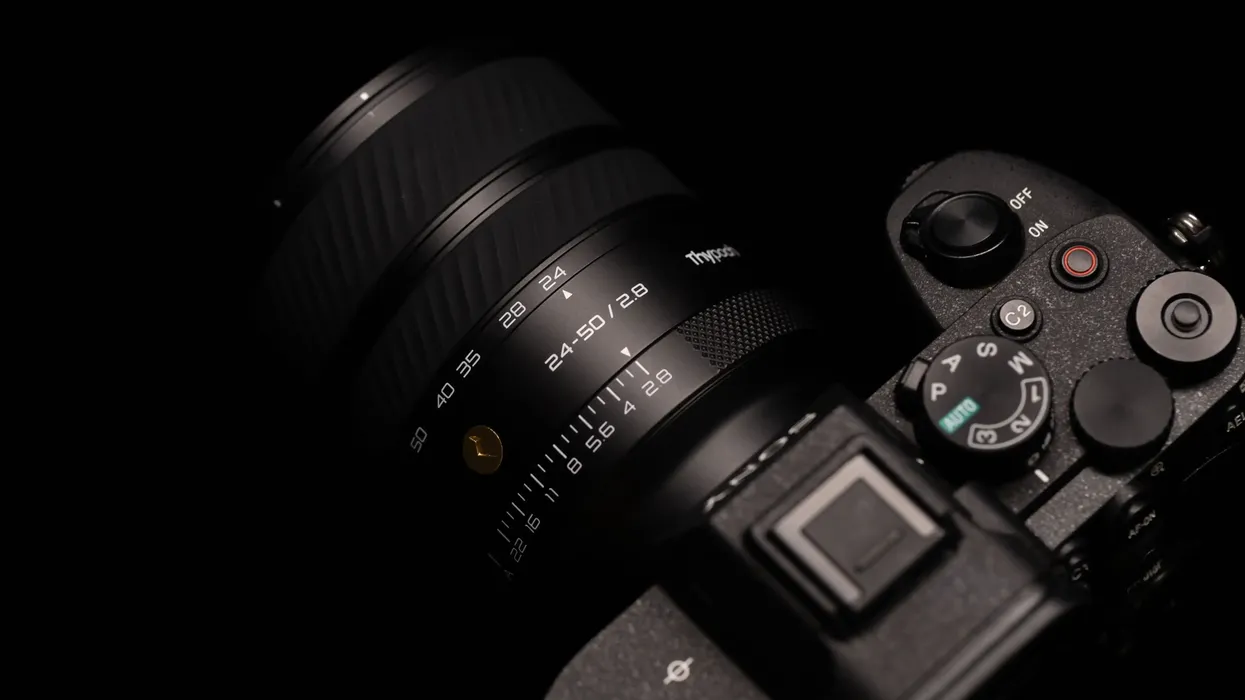
Thypoch Releases Its First Full-Frame AF Zoom With the New Voyager 24-50mm f/2.8
From the original
This is a big day for full-frame autofocus zoom lenses, as Thypoch, a company best known for its vintage-inspired manual primes that have offered cinematographers, photographers, and hybrid content professionals a nice mix of quality optics and affordability, is moving into the…
Read the full article at No Film SchoolBOLD’s take
Affordable AF Zooms Are Changing Fast-Turnaround Production
Thypoch's entry into full-frame autofocus zooms marks a shift in how budget-conscious productions can compete with larger crews. For years, indie filmmakers and hybrid content creators have relied on manual primes—affordable, sharp, but demanding real-time focus pulling. An AF zoom at this price point changes that calculus, especially for shoots where you need speed over precision.
The 24–50mm f/2.8 sits in sweet territory: wide enough for establishing shots and tighter framing, fast enough to work indoors and at magic hour without aggressive lighting setups. For student productions and first-feature runs, that range covers most editorial needs without forcing you to swap glass mid-setup.
What This Means on Set
Autofocus in cinema is still contentious—many working DPs won't touch it on narrative work. But there's a legitimate case for AF on documentaries, corporate shoots, and rapid-turnaround content where a focus puller isn't budgeted. The trade-off is control: AF can hunt, miss critical moments, or miss the intent of a scene. Manual focus demands skill but guarantees intentionality.
If you do choose AF, support gear becomes crucial. A motorized follow-focus—the kind HEDEN has engineered for decades, or modern wireless systems—lets you regain some of that control even with autofocus engaged. Similarly, a solid camera support rig like VOCAS tooling keeps your framing locked while your lens breathes.
The Bigger Picture
Zooms have a bad reputation in cinema for good reason: they can look "video" if used carelessly, and the optical compromises can show under scrutiny. But a well-designed zoom in a focused shooter's hands is a practical tool, not a crutch. The Voyager's f/2.8 constant aperture helps—you won't lose light as you zoom—and the price means more productions can invest in other essentials: lighting (LUPO's daylight LEDs remain a go-to for run-and-gun), sound, and grip.
The real win? Newcomers can now shoot faster, with fewer glass changes and fewer moving parts to manage. That frees mental bandwidth for what actually matters: story, performance, and light.
Want more from the original?
Read on No Film SchoolRelated brands
Distributed by BOLD Cine — gear that ships in this conversation.

More from BOLD Cine
Two new journal entries every week, plus a growing library of free lessons for film students and newcomers at BOLD University.