On set
Focus pulling: the craft of the 1st AC
What a focus puller actually does, and how to think about pulling like a pro
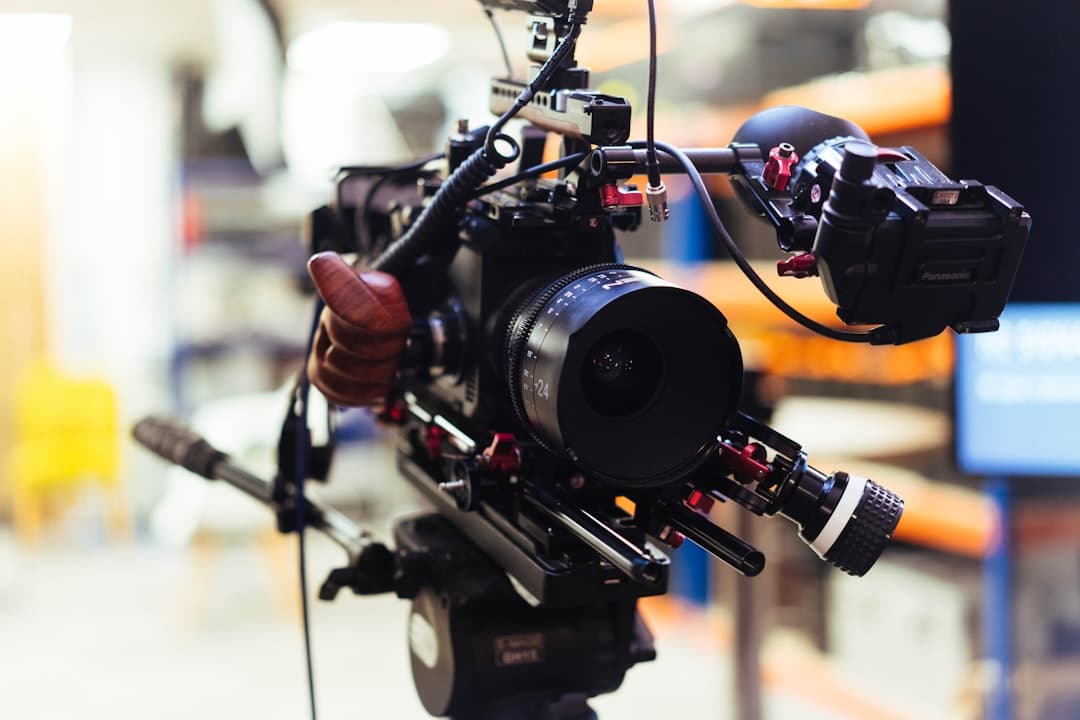
Photo by Phil Hearing on Unsplash
What "pulling focus" actually means
When you watch a movie, the in-focus part of the frame changes constantly. The wide actor walks closer; the focus follows. Two people are in conversation; focus drifts from one face to the other on the cut. A character turns to look at something; focus shifts to that thing.
Almost none of this is the camera doing it. It's a person — the 1st Assistant Camera (1st AC), or focus puller — turning a wheel in real-time during the take, based on rehearsal, measurement, and skill.
It's the most technically demanding role on most film sets. The DP shoots; the operator frames; the focus puller makes it sharp. A single soft frame in a 60-second take can render the take unusable. A good 1st AC saves takes; a bad one wastes the day.
This lesson is about the craft of pulling — the thinking, the tools, and what to develop if you want to do this for a living.
Why it's hard
The fundamentals look easy. Turn a wheel. Make the actor sharp. But three things make it brutal:
1. Shallow depth of field. Modern cinema cameras and fast lenses produce DOF measured in inches at common apertures. T2.8 at 5 feet on a 50mm lens gives you maybe 4 inches of acceptable focus. The actor's eye moves an inch and you're soft.
2. You can't see what you're focusing on. The 1st AC is usually a step or two off-camera, watching a small focus monitor or — on bigger productions — pulling blind from marks. You're not looking at the actor's eyes; you're turning a wheel based on memorized distance markings.
3. The actor moves unpredictably. Even with perfect rehearsal and tape-measured marks, the actor stepping a foot too close on this take — or turning their head slightly — changes the focus distance. You have to anticipate, not just react.
The tools
Follow focus. A gear-driven device clamped to the lens rods. The 1st AC turns a knob (the wheel); the wheel turns gears that turn the lens's focus ring. A focus marking disk on the follow focus accepts paper or tape marks at specific positions.
Modern wireless follow focus systems (Preston FI+Z, Arri WCU-4, Tilta Nucleus-M) let the 1st AC stand 30+ feet from the camera with a wireless wheel. On Steadicam, gimbal, or vehicle-mounted shots, this is essential.
Focus monitor. A small monitor showing the camera's image, sometimes with peaking (a highlight overlay showing what's in focus). The 1st AC keeps an eye on this between attention to the wheel.
Tape measure. Mounted on the camera (usually under the lens, with the zero at the sensor plane). Used to measure subject-to-sensor distances during rehearsal. Marks are then transferred to the follow-focus disk.
Focus chart / Siemens star. A test chart with concentric rings, used during a "focus check" to verify the lens's focus marks are accurate at a given distance.
Marking tape. Paper tape used to mark actor positions on the floor and focus marks on the follow focus disk. Different colors for different actors.
The mental model
A 1st AC's job during a take is to translate the actor's position (in space, in real time) into focus-ring distance (in feet/meters). The process:
-
Rehearsal. Before rolling, the AC measures the distance from sensor to the actor's eye at each blocking mark — say, mark A (3'6"), mark B (5'8"), mark C (7'2").
-
Marking. Each measurement gets a tape mark on the follow-focus disk corresponding to where the focus ring needs to be.
-
The pull plan. The AC mentally maps which marks the actor will hit, when, and how to move the wheel between them — slowly during a slow walk, fast during a quick step-in.
-
Eyes-up vs. eyes-down. During the take, the AC keeps eyes mostly on the actor, using peripheral vision to feel the wheel. Sneaking a glance at the focus monitor between phrases.
-
The pull itself. As the actor moves, the wheel turns to match. The AC has to anticipate — turn the wheel to where the actor will be a half-second before they get there, because reaction time means you're already late.
-
The save. When the actor deviates from rehearsed blocking, the AC adapts in real time — sneaking the focus a half-foot off the marked position to compensate.
It looks like turning a wheel. It's actually conducting a small orchestra of anticipation, memory, and motor control.
Marking a take
A typical rehearsal sequence:
The actor walks in the door (mark A), crosses to the chair (mark B), sits, turns toward camera (mark C). On "action," the AC has:
- Pre-measured mark A: 8'0" (eye to sensor at the door)
- Pre-measured mark B: 5'4" (mid-room)
- Pre-measured mark C: 6'2" (in chair, head turned)
- Sometimes a "soft spot" between A and B where the actor moves quickly (a transitional zone)
On the follow-focus disk, the AC has marked 8'0", 5'4", and 6'2" with tape lines. During the take, the wheel moves smoothly between each mark in sync with the actor's pace.
When the actor adds an unplanned beat — a turn, a step toward the table — the AC adapts on the fly. This is where the craft separates beginners from veterans.
The "split"
When two actors are at different distances from camera (one near, one far) and the camera operator wants both in focus, the AC has to split focus — pick an aperture and depth that holds both. If neither is acceptable, the focus shifts between them, called a rack focus — the AC pulls from one mark to the other as the conversation cuts back and forth.
A rack-focus pull is the most photographically visible move the AC does. Done well, it's invisible to the audience; the eye just follows. Done poorly, it looks abrupt and amateur.
Skills to develop
If you want to do this professionally:
1. Sense of distance. Train your eye to estimate distances in feet. Stand in a room, guess the distance to objects, then measure. Do this constantly. A working AC can eyeball a 5-foot distance to within 6 inches without thinking.
2. Smooth wheel control. Practice on a follow-focus rig (even a cheap one) until you can move smoothly between marks at variable speeds. Slow pulls are harder than fast pulls — controlling micro-movements without jitter takes practice.
3. Reading actors. Learn to read where an actor will be a half-second from now based on their movement. Watch a lot of theater; watch how people walk into a room. Anticipation is half the job.
4. Calm under pressure. When a take is going great and the actor improvises and the focus is drifting and the DP is watching the monitor and the director is watching the monitor — you keep pulling. You don't look up. You don't react. You trust your training and your marks.
5. Tape measure speed. During tight rehearsals on a busy set, an AC can measure four marks for a complex shot in two minutes. Practice.
Common mistakes
- Watching the focus monitor instead of the actor. The monitor lags. The actor doesn't.
- Setting marks at wardrobe (e.g. nose) instead of eyes. Eyes are what the audience reads as "in focus."
- No backup plan if the actor goes off-blocking. The marks alone can't save a take; instinct does.
- Pulling too fast. A whippy pull looks artificial. Smooth is professional.
- Pulling too slow. Lagging behind the actor reads as soft.
- Trusting autofocus on real production work. Modern AF is impressive but not yet reliable for narrative cinema — it can pick the wrong subject, drift mid-take, or breathe visibly. Manual pull is still standard at professional levels.
Career path
A 1st AC typically starts as a 2nd AC (slating, loading media, managing cards) for 1-3 years, learning every camera body and lens system in their market. Then promotes to 1st AC on smaller productions (corporate, music video, indie features) and works up to bigger budgets.
Strong ACs are extraordinarily valuable. A DP who finds a focus puller they trust will keep them on every project. ACs on big features negotiate kit rates and often pull on series, where the work is more stable.
It's a craft job with technical depth and limited oversight — and it doesn't get the credit of the DP role. But ACs who care about their work, build a reputation, and stay sharp can have long careers earning enviable rates without ever directing a frame themselves.
What to practice this week
If you have access to a camera with a manual-focus cinema lens (or even a stills lens with a manual focus ring), find a willing volunteer.
Set up two marks 6 feet apart. Have your volunteer walk between the marks while you focus. Keep the camera at f/2.8 or wider — actually shallow.
Record the takes. Watch them back. Notice:
- How often did you miss focus when they were walking?
- How smooth were your pulls?
- Did you anticipate or react?
Then mark the lens with tape at the two distances. Try again, this time consciously using the marks. The results should improve dramatically.
Repeat with three marks. Then four. Then a slow rack from one actor's face to another's during a turn.
A few weeks of this and you'll understand both what focus pulling is and how much craft hides inside it. The wheel is simple. The thinking is not.
More lessons
Browse all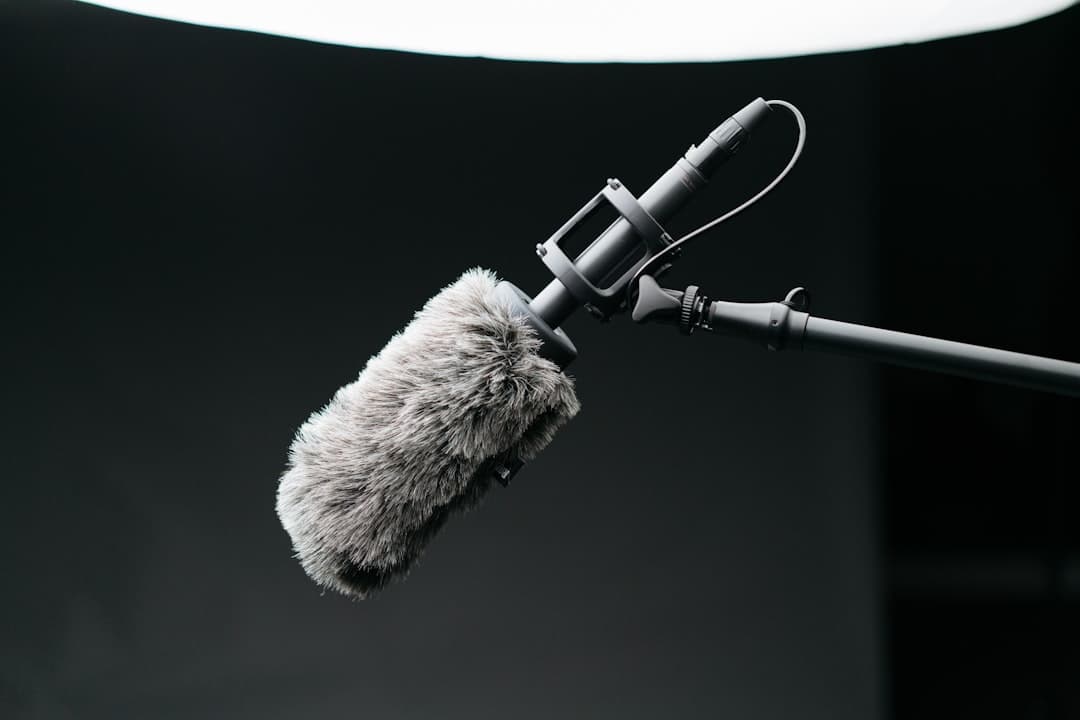
Audio
Audio fundamentals for video
Why bad audio kills good footage — and how to capture clean sound on a small crew
Audio
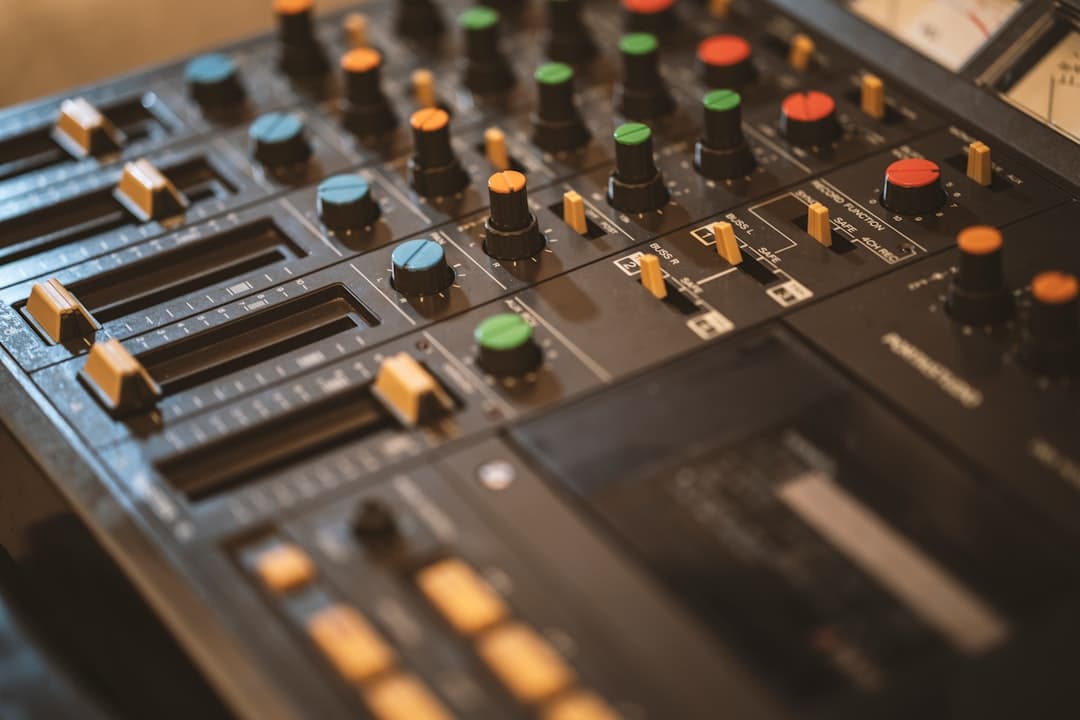
Multi-track audio workflow for narrative
Capturing lavs, boom, ambience, and timecode reference cleanly on a multi-input recorder
Business & freelance
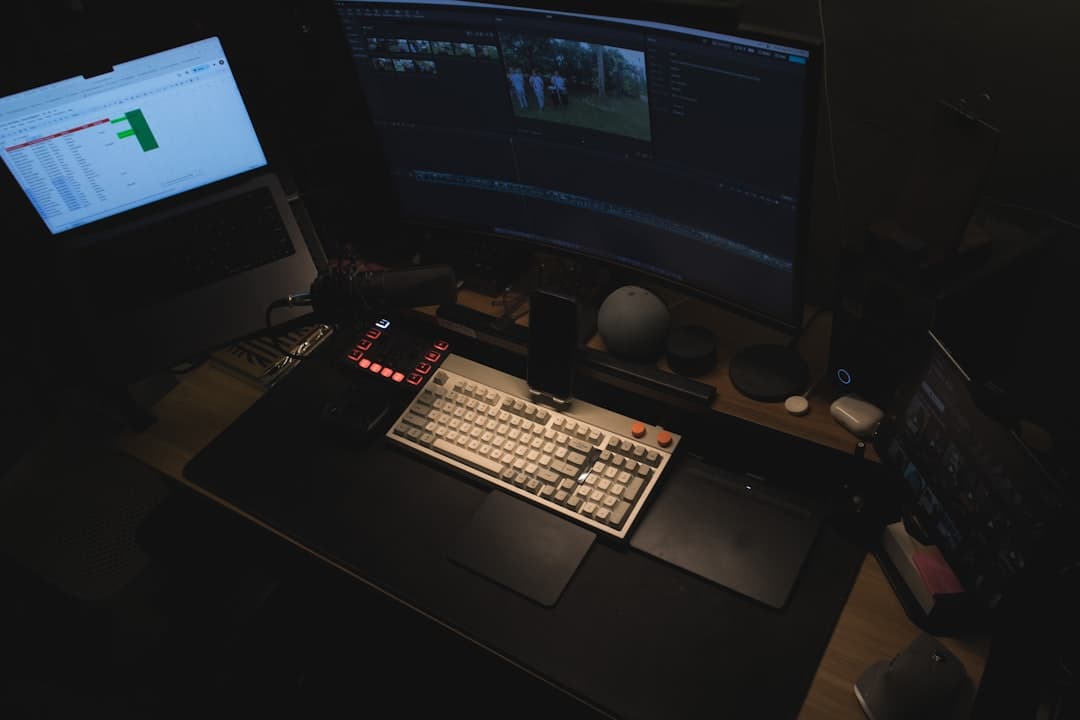
Showcasing your work online
A reel that gets calls back, a portfolio site that works, and the basics of being findable
Found this useful?
Bookmark BOLD University and share it with someone learning the craft. New lessons go up regularly.
Back to University