On set
On-set etiquette and crew positions
The unwritten rules that mark you as someone worth hiring again
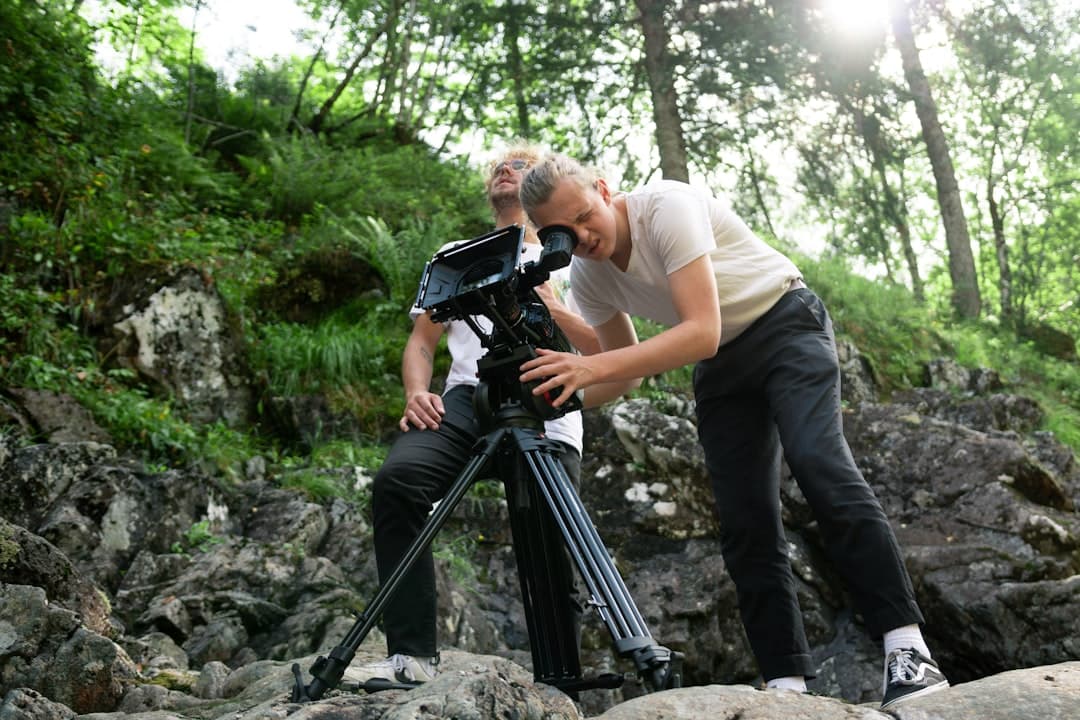
Photo by Sindre Aalberg on Unsplash
Sets have rules
A working film set is a high-pressure, time-sensitive environment with a strict hierarchy and a shared shorthand. If you walk on without knowing the rules, you'll be in someone's way constantly — and you won't get called back.
The good news: most of the rules are common sense once explained, and the hierarchy is consistent across productions. Learn it once and you can step onto any union set, indie short, or commercial shoot and immediately know how to behave.
The basic hierarchy
A typical film set hierarchy from the top:
Director — Sets the creative vision. The DP, AD, and key department heads report to the director on creative matters.
Producer / Line Producer — Owns the budget and schedule. Department heads coordinate logistics through them.
1st Assistant Director (1st AD) — Runs the set day-to-day. The 1st AD calls "rolling," "cut," and "next setup." If anyone is the "captain" of the working set, it's the 1st AD.
Department heads:
- DP (Director of Photography) / Cinematographer — Owns image quality, lighting, camera choices
- Production Designer — Sets, props, the visual world
- Costume Designer — Wardrobe
- Sound Mixer — Audio capture
- Gaffer — Head of electric / lighting department
- Key Grip — Head of grip department (everything that supports or shapes lighting — flags, frames, stands, dolly track)
Below each department head are the working crew:
Camera dept (under DP):
- 1st AC (focus puller)
- 2nd AC (slate, marks, loading)
- DIT or Loader
Lighting (under Gaffer):
- Best Boy Electric
- Set Electricians
- Generator Operator
Grip (under Key Grip):
- Best Boy Grip
- Dolly Grip
- Set Grips
Sound (under Sound Mixer):
- Boom Operator
- Utility Sound
Production Assistants (PAs) — entry-level support across departments. Run errands, walk talent, wrangle paperwork.
You usually start your career as a PA, an AC, a sound utility, or a set grip — and you move up by being someone other crew members want to work with again.
The language
A handful of phrases run every set. Knowing them prevents you from looking lost.
- "Rolling" — Camera is recording. From this moment until "cut," nobody walks through the shot, nobody talks above a whisper.
- "Sound speed" — The sound mixer confirms they're recording. Said immediately after "rolling."
- "Action" — Director's cue for the actors to begin.
- "Cut" — End of the take.
- "Going again" — Resetting for another take of the same shot.
- "Moving on" — Done with this shot; preparing for the next setup.
- "Last looks" — Hair, makeup, and wardrobe get one final pass before rolling.
- "First team" — The actual cast, ready to go. Replaces "second team" (stand-ins who lit the scene).
- "Quiet on set" — Stop talking. Said by the AD, often after "last looks."
- "Walking" — Said by anyone moving through a tight set so people don't bump into them.
- "Hot points" — Said when carrying something pointy (a c-stand, a flag) at chest level. Warns others.
- "Coming through" — Walking carrying something heavy or wide.
- "Eyes!" — Used to warn someone that a light is about to flash on, or a strobe is firing.
- "Striking!" — Turning a light on (so people don't get blinded unprepared).
- "Save it!" — Turning a light off (so the electrician knows to flip the switch).
- "Background!" — The AD's cue for extras to start their action.
- "Crossing!" — Walking through someone's line of sight while they're setting up a shot.
- "Watch your back" — Move out of the way; something is happening behind you.
- "Cooking" — A light is on full intensity, getting hot.
- "Tail slate" — Slate at the end of a take rather than the beginning (used for certain run-up shots).
- "Wrap" — Done. End of shoot day or end of production.
When in doubt: speak less, listen more. Set chatter is for breaks, not active shooting.
The unwritten rules
Beyond the language, there are behaviors that mark someone as a pro vs. someone who's going to struggle.
1. Show up 30 minutes early. Not 5 minutes early. Park, walk, find the truck, get coffee, check in with the AD. By call time you should already be ready, not arriving.
2. Never sit in a chair with a name on the back. Director's chairs, talent chairs, DP's chair — those have names because they're reserved. If you don't know whose chair it is, don't sit in it.
3. Don't touch other people's gear. The DP's lens, the gaffer's meter, the actor's water bottle — those aren't yours. Ask.
4. Don't volunteer ideas to the director unless asked. You may have great instincts. Save them for when someone wants them.
5. Walk fast on set. Always. Set walking pace is brisk. Slow walking signals that you don't understand the time pressure.
6. Carry your radio / walkie correctly. Earbud in your dominant ear, mic clipped at your shoulder, channel set as instructed. Don't broadcast personal conversation on the channel.
7. Treat craft service (snacks) with respect. Eat what you need; don't take a whole sandwich during a setup. Crafty is for everyone all day.
8. Eat fast at lunch. Lunch is usually 30 minutes, not an hour. Sit down, eat, get up, get ready for the second half of the day.
9. Step over cables, never on them. Walking on cables stresses connectors, breaks copper, and pisses off the gaffer.
10. Don't drop a sandbag. Lower it. A dropped sandbag breaks ankles and damages floors. Always carry, never drop.
11. Pee when you have a chance. Crew bathrooms aren't always available; production days are long; there's no shame in using the gas station 5 minutes away. But don't disappear when you're on standby.
12. When you don't know what to do, ask. "What can I help with?" is always welcome. Standing around looking confused is not.
13. Stay off your phone on set. Quick check during a long lighting setup is fine. Scrolling during talent's takes is a fast way to never get called back.
14. Wrap up after the crew you support. If you're a camera PA, you wrap when the camera dept wraps. If you're a 2nd AC, you wrap after the 1st AC is wrapped. The senior person leaves first; you support to the end.
15. Say "yes" before "but." "Yes, I can pick up the lens — but it'll take 15 minutes to get to base camp" is better than "But that'll take 15 minutes."
Etiquette around talent
Working with actors and on-camera talent has its own rules:
- Don't make eye contact with talent unless they initiate. Especially during takes. Pros respect their working bubble.
- Don't congratulate or critique a performance. That's the director's job.
- Use their first name (or character name, if directed to). Never "hey you."
- Hold the door / chair / umbrella for talent. It's small and it matters.
Common mistakes
- Treating set like a hangout. It's a job. Be friendly, but don't get drawn into long social conversations during shooting.
- Being too quiet. "Walking!" and "watch your back!" exist for a reason. If you whisper your call-outs, you cause accidents.
- Showing up unprepared. Forgot your radio batteries? Forgot to wear closed-toe shoes? You won't be called back.
- Ego. "I'd do this differently" is the energy that gets sets ruined. Suggest only when asked, and gracefully.
- Burning relationships. Film industries are small. The 1st AD whose set you bailed on without notice is the 1st AD on your dream shoot in five years. Behave accordingly.
What to practice this week
If you can: PA on someone else's shoot. Anyone's. A music video, a friend's short, a corporate. The lessons absorb fastest when you're physically on a set, listening to a 1st AD run the day.
If you can't: watch behind-the-scenes documentaries for big productions and pay attention to how crews move and talk, not just the gear they use. The choreography of a working set is a learned skill — start absorbing it.
The crews who get the most repeat work don't have the most expensive gear. They have the easiest reputations to work with. Become one of those people.
More lessons
Browse all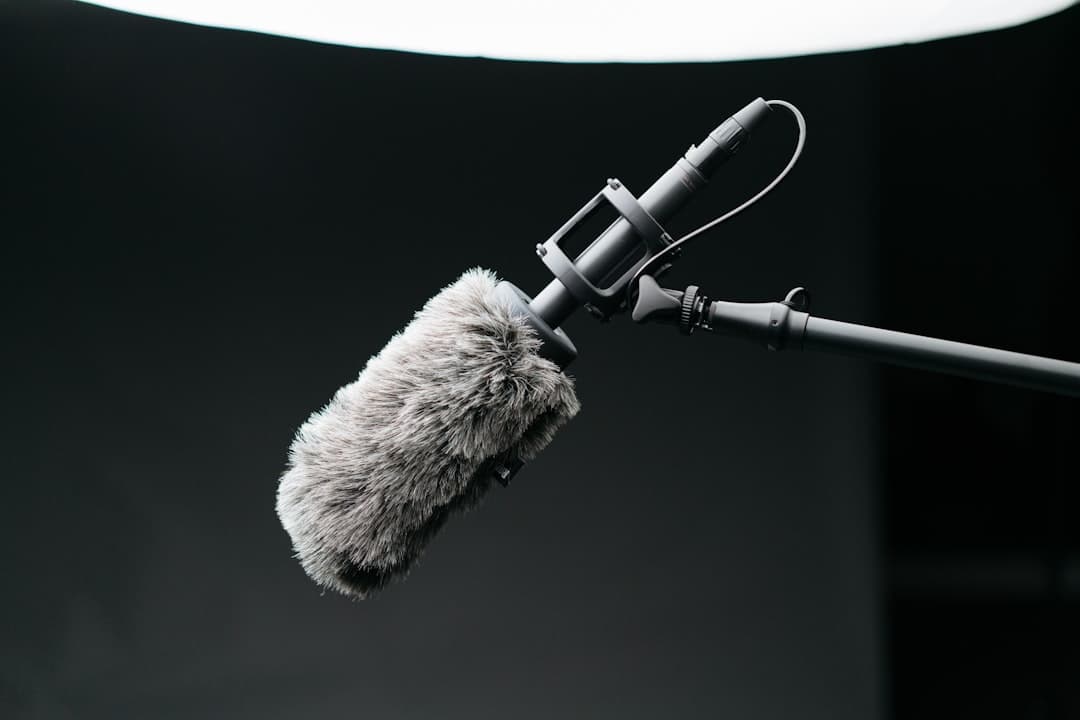
Audio
Audio fundamentals for video
Why bad audio kills good footage — and how to capture clean sound on a small crew
Audio
Multi-track audio workflow for narrative
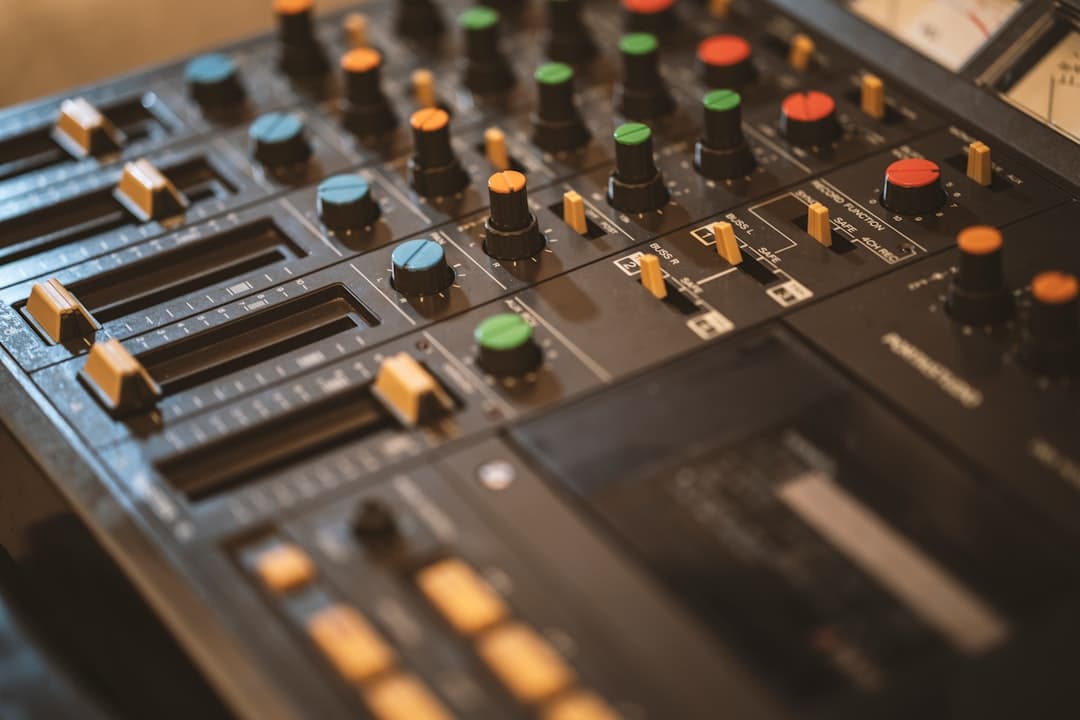
Capturing lavs, boom, ambience, and timecode reference cleanly on a multi-input recorder
Business & freelance
Showcasing your work online
A reel that gets calls back, a portfolio site that works, and the basics of being findable
Found this useful?
Bookmark BOLD University and share it with someone learning the craft. New lessons go up regularly.
Back to University