On set
Working with talent
Directing actors, hosts, and real people on camera — without being awkward about it
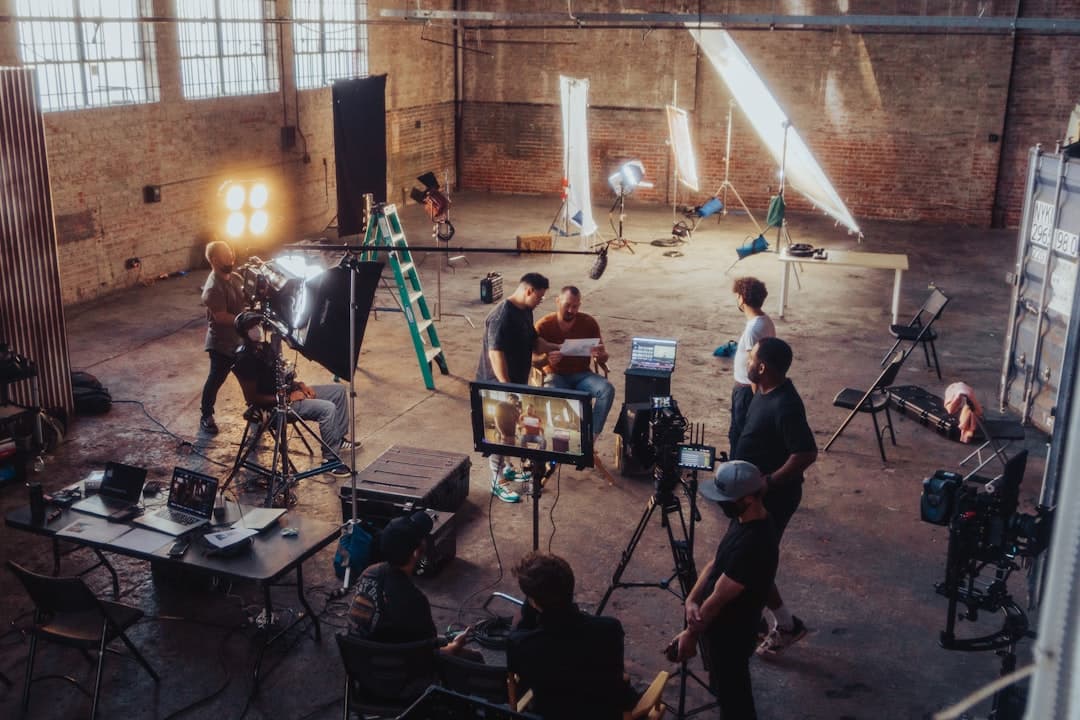
Photo by Jakob Owens on Unsplash
The talent is the work
You can light beautifully, frame perfectly, and shoot on the best gear. If the person on camera looks stiff, awkward, or false — your footage is unwatchable.
Most newcomers focus on the technical side. Working directors spend at least half their attention on the person in front of the lens. This lesson covers the practical techniques for getting natural performances from three different types of talent.
Three kinds of talent
The approach differs by who's on camera:
1. Trained actors — they've prepared, have technique, and respond to direction. The job is to guide them to your specific scene.
2. On-camera hosts / presenters — corporate spokespeople, news anchors, YouTubers. They're comfortable on camera but need help feeling specific to your piece.
3. Real people / non-actors — testimonial subjects, documentary interviewees, customers in commercial work. They have no training and will be in their head about the camera unless you actively manage their experience.
Each requires a different toolkit.
Pre-production: setting up for success
A great performance on set is mostly determined before anyone shows up. The director's prep work:
1. Have a clear "what" and "why" for every shot. What do you want the audience to feel, and why is the talent saying or doing this thing? Vague direction produces vague performances.
2. Send the talent prep material in advance. For actors: script + character notes. For interview subjects: 3–5 questions you'll ask, no surprises. For hosts: a one-page brief on the brand voice and audience.
3. Have a "shot 1" ready. The first shot you film with a person sets the tone for the day. Make it something they can succeed at — a simple line, an easy pose, a comfortable position. Build confidence first.
4. Plan rest cycles. Performance fatigues. After 60–90 minutes of continuous work, performance quality drops. Schedule breaks even if the talent says they're fine.
On set: the first 10 minutes
When talent walks on set, the first 10 minutes determine the whole day. Done badly: they feel rushed, judged, or invisible. Done well: they feel comfortable, prepared, and supported.
A working pattern:
-
Greet them by name, by you personally. Walk them through to whoever's lighting / setting up. Introduce them to the camera operator and the boom operator (the people they'll be most aware of).
-
Offer them a moment. "Want water? Coffee? Need a quick bathroom break?" Even if they don't take it, you've signaled that you care about their comfort.
-
Walk them through what's about to happen. "We'll start with one camera angle, you'll deliver these lines, we'll do 3–4 takes, then we'll move to the next shot. Total day is about 4 hours." Removing uncertainty is the single most useful thing you can do.
-
Don't talk craft yet. Don't dive into "and the camera's at f/2.8 because..." They don't care and it makes you sound like you're showing off.
During the take: the words that actually work
Most newcomer directors over-direct. They give five notes at once: "More energy, but quieter, look at the lens but also down sometimes, and remember to smile, and try to be more natural." The talent processes none of it.
Working directors give one direction per take, in concrete terms:
- "Try the same line but pause longer before 'because.'"
- "Less smile this time."
- "When you say 'X,' look directly at me, just for a half-second."
- "What if you said it like you were just remembering it for the first time?"
Concrete, actionable, one thing at a time. The talent can hold one thought, not five.
For non-actors specifically:
- Don't say "be natural." Meaningless to them.
- Don't say "act more enthusiastic." Triggers performative acting, which looks fake.
- Do say "tell me about a time when..." Specific memory triggers natural delivery.
- Do say "imagine you're explaining this to your friend." Shifts the mental frame.
The trust factor
For real-people / non-actors, the single biggest variable in performance is whether they trust you. If they trust you, they relax and become themselves. If they don't, they become stiff or performative.
Trust is built through small consistent signals:
- Eye contact between takes
- Calling them by name
- Showing them playback once or twice so they can see they look good
- Acknowledging what they're doing well — specifically, not generically. "That answer at minute 8 — that was the one. Keep that energy."
- Not making them feel watched. Crew not staring. Camera at a calm distance. Boom not in their face.
A common newcomer mistake: directing from a monitor 10 feet away and never coming over to the talent. The result: the talent feels managed, not collaborated with. Walk over between takes. Hand them water. Have a 30-second human conversation about something other than the shoot.
Working with on-camera hosts
Hosts are between actors and non-actors. They're comfortable on camera but often deliver in a generic "TV voice" that's plastic. Your job is to specific-ize them.
Common direction:
- "Less host voice, more conversation voice."
- "Imagine you're explaining this to one specific person you know."
- "Try saying it like you just learned it yourself."
- "What if there's no audience? You're alone with this idea, and you're just thinking out loud."
A trick: have them say a line off-camera once or twice, conversationally. Then ask them to deliver it on camera the same way. The transition from off-camera natural to on-camera natural is usually faster than going straight to performance.
Multi-camera vs. single-camera with talent
Talent performs differently when they know one camera is on them vs. multiple. With multi-camera coverage:
- They can't "play to" one lens; they have to be naturally present
- Less wide-shot performance, more behavioral truth
- Faster shoot day
With single-camera coverage:
- They know exactly what's framed
- They can adjust for the angle (eyeline, posture)
- More takes possible, more deliberate
Choose by what the piece needs. Most modern commercial and corporate work shoots single-camera so each angle is optimized.
Handling difficult moments
When a take goes off the rails (line stumble, energy drop, distraction):
- Stop quickly: "Hold on, let's take that again."
- Don't analyze: "We've got it, just one more time."
- Don't make them feel bad: keep the tone matter-of-fact.
When the talent is in their head:
- Take a 2-minute break
- Talk about something unrelated
- Come back and pick up
When you need a specific emotion but they're not landing it:
- Don't say "be more sad."
- Give them a substitute thought: "Remember the time when X — that feeling."
- Let them sit in it for a moment before rolling.
After the shoot
Send a thank-you email or text within 24 hours. Tell them specifically what they did that worked. Even if you'll never work with them again, this small act builds your reputation.
Working actors talk to each other. So do PR people for corporate spokespeople. So do referral networks for documentary subjects. The way you treat talent travels.
Common mistakes
- Over-directing. Five notes at once. Talent freezes.
- Vague direction. "Be more natural." Means nothing.
- Directing only through the monitor. Get up. Talk to them between takes.
- Treating talent like crew. They're not. They need different care.
- Showing nervousness. If you seem stressed about the camera, they will be too.
- Not introducing the crew. Talent should know who they're working with by name.
- Endless takes without breaks. Performance fatigue is real and shows on screen.
What to practice this week
Interview a friend on camera. Run a 5-minute conversation. Then watch it back and ask:
- Did they relax over time?
- Did I give clear, specific direction?
- Did I make them feel comfortable, or watched?
Then do it again with someone who's never been on camera. Notice the difference between the two — and how much your direction shapes that.
Performance is the last frontier of filmmaking craft. Gear is easy. People are hard.
More lessons
Browse all
Audio
Audio fundamentals for video
Why bad audio kills good footage — and how to capture clean sound on a small crew
Audio
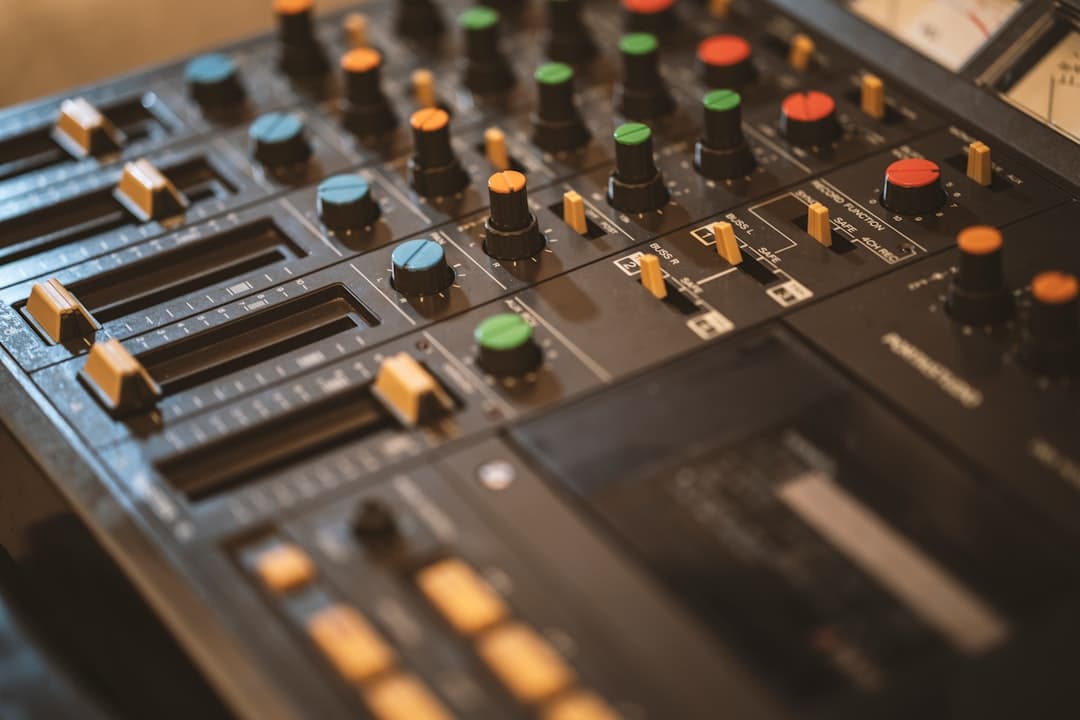
Multi-track audio workflow for narrative
Capturing lavs, boom, ambience, and timecode reference cleanly on a multi-input recorder
Business & freelance
Showcasing your work online
A reel that gets calls back, a portfolio site that works, and the basics of being findable
Found this useful?
Bookmark BOLD University and share it with someone learning the craft. New lessons go up regularly.
Back to University